

Blaine County
2025 MSU Extension Highlights
2025 MSU Extension Highlights
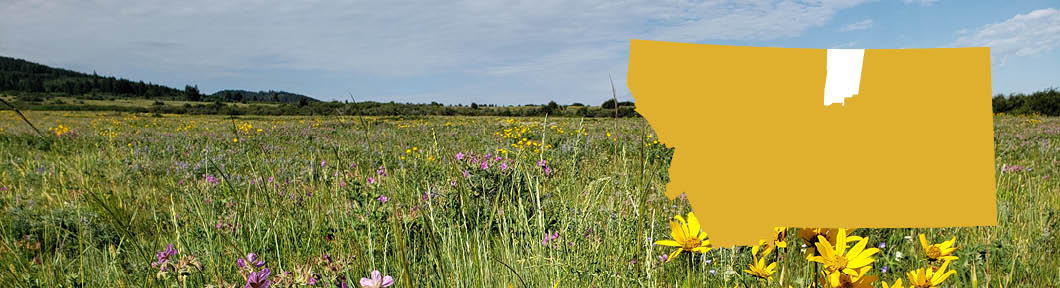
Blaine County is in North Central Montana. The Missouri River is the southern boundary, and the Canadian border provides the northern boundary. Two small mountain ranges, the Bear Paw and Little Rockies, are located within the county. Blaine County encompasses 4,267 square miles or 2.713 million acres. Agriculture is the backbone of Blaine County, with cattle, sheep, wheat, and hay being the primary enterprises. An irrigated alfalfa/grass hay base located along the Milk River is enhanced by irrigation supplied by the Corps of Engineers St. Mary’s diversion project. The population in Blaine County stands at just under 7,000 people according to the 2024 census. Tourism, along with hunting, contributes to the economy of Blaine County as well.
MSU Extension currently serves the communities in Blaine County through a variety of programs conducted by one full-time Extension Agent and a full-time administrative/4-H assistant. Programming focuses on the areas of 4-H youth development, agriculture and natural resources, family consumer sciences, and community vitality.
The Blaine County MSU Extension program is supported through an annual county budget which includes a portion of the agent’s salary along with Montana State University (USDA’s) direct support. MSU also supports the program indirectly, and the county benefits with returned services for every dollar invested. This is truly a partnership between MSU, USDA, and Blaine County that provides citizens access to high-quality education, and research-based knowledge from the state’s land-grant university.
Contact
P.O. Box 519
Chinook, MT 59523
406-357-3200
https://www.montana.edu/extension/blaine/
4-H & Youth Development
4-H Tween and Teen Leaders: Building Leadership and Community in Blaine County
Developing confident, capable young leaders is essential to the long-term strength of rural Montana communities. In Blaine County, where volunteerism and civic engagement are part of everyday life, 4-H provides youth with meaningful opportunities to grow as leaders.
Tween and teen 4-H members are central to the program’s success. They serve as club officers, mentors, and event planners. They teach skills, organize service projects, and support younger members. Their involvement strengthens program capacity and sustainability, especially in a county where staff and volunteers carry significant responsibilities.
Over the past year, Blaine County MSU Extension and the 4-H Council expanded leadership opportunities for the tween and teen members. These youth helped lead officer training workshops focused on parliamentary procedure, meeting management, and teamwork. They mentored younger officers and modeled leadership best practices. Tweens and teens also played key roles in organizing major events like 4-H Project Day, Communication Day, Achievement Night, and the Blaine County Fair. They led opening ceremonies, assisted with judging, and supported logistics.
Service projects showcased youth leadership in action. Tween and teen members led efforts such as serving meals, cleaning public spaces, decorating for holidays, writing cards for nursing home residents, and improving fairgrounds. Older members supported Cloverbud activities, helped younger members prepare demonstrations, and recruited new families during National 4-H Week.
Through these experiences, youth gained practical skills in public speaking, teamwork, and service while directly contributing to program operations. Their involvement reduced staff workload and increased engagement across all age groups. Clubs report strong attendance and record-book completion rates above 95%. Parents and volunteers have noted greater maturity, organization, and initiative among youth leaders.
One teen shared that after serving as a camp counselor and attending Montana 4-H Congress, she found her “people” and felt empowered to lead. Her story reflects the broader impact of youth leadership in Blaine County.
Blaine County MSU Extension will continue investing in youth leadership through workshops, statewide events, and training. These young leaders are not only shaping their future, they’re shaping the future of Blaine County, Montana, and beyond.
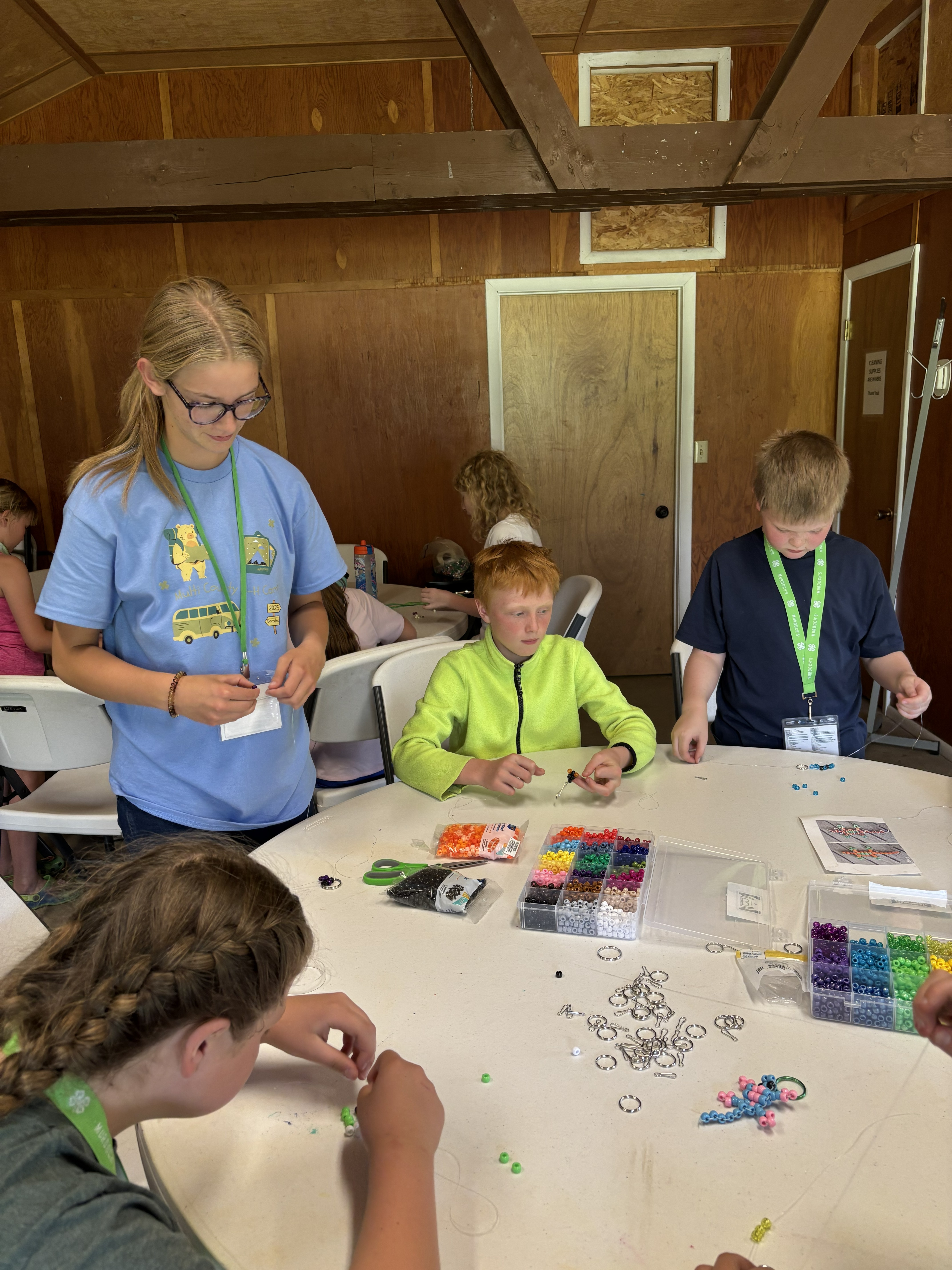
Caption: Teen counselor teaches youth at 4-H camp.
Credit: Juli Snedigar
Agriculture & Natural Resources
Drought and Soil Health Workshop: Collaborative Solutions for Blaine County Producers
The catastrophic failure of the St. Mary Canal’s siphon on June 17, 2024, resulted in the cessation of water flowing from the St. Mary’s River to the Milk River. The Milk River serves as the lifeline for the people and cropland on the hi-line of Montana, including Blaine County. This coupled with persistent drought across north-central Montana had producers facing a very dire situation. The drought and lack of water from the Milk River have reduced cropland and rangeland productivity, prompting producers to rethink traditional practices. In response, Blaine County MSU Extension and the Blaine County Conservation District partnered with area business sponsors to host a Drought and Soil Health Workshop to support long-term resilience and farm profitability.
The event brought together producers, specialists, and conservation partners. Strong collaboration among Blaine County MSU Extension, NRCS, the Blaine County Conservation District, and local sponsors made the workshop possible.
Presentations featured NRCS Rangeland Management Specialist Susan Massar, and MSU Extension Specialists Clain Jones, Hayes Goosey, and Tim Seipel, who shared research, expertise, and practical management advice on topics critical to our region. From the soil health presentation with rainfall simulation, soil nutrient management during and after drought, forage stand renovation strategies, and effective weed management under dry conditions, each speaker offered timely insights tailored to local, unique agricultural challenges.
Post-event evaluations showed that over 90% of participants gained knowledge and confidence in drought-adaptive management. One participant noted: “It’s encouraging to see so many organizations working together to support producers. Having Extension and NRCS share practical information side by side makes it easier to take what we learn and put it into practice.”
The workshop strengthened relationships between agencies and producers, reinforcing that no single entity can solve drought challenges alone. Blaine County MSU Extension continues to serve as a vital bridge between research institutions and Montana’s agricultural community.
Following the workshop, the area received a year’s worth of moisture within a single month, bringing new challenges to producers. However, the knowledge gained will help area producers recover from a multi-year drought and better prepare for future situations.
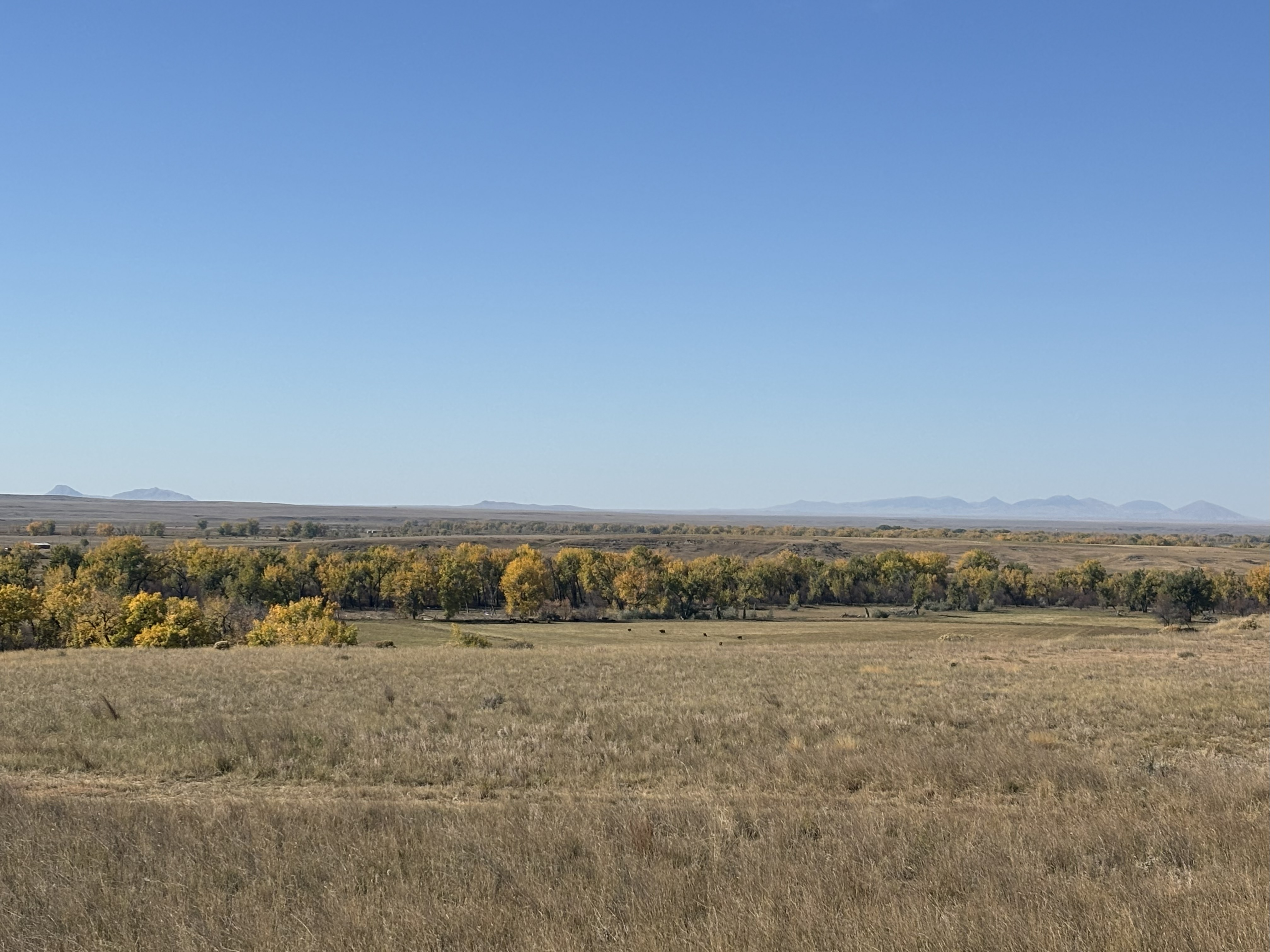
Caption: Milk River Valley in fall.
Credit: Juli Snedigar
Community Vitality
Civic Involvement and Community Impact in Blaine County
As the Blaine County Extension Agent, I’ve had the privilege of working closely with community partners, civic organizations, and local leaders to improve quality of life across the county. My civic involvement goes beyond program delivery; it focuses on collaboration, resource sharing, and building sustainable partnerships to bring lasting value to Blaine County.
Through active engagement as a board member or advisor for groups like the North Central Montana Stockgrowers Association, Friends of the Pool and Park Foundation, Blaine County Conservation District, Fair Foundation, Fairboard, Weed Board, County Commissioners, 4-H Council, Local Advisory Council for Mental Health in Blaine County, and the Montana Seed Show Committee, I’ve helped identify priority needs and work to match these needs with resources to better the lives of the people in Blaine County. These partnerships have led to projects that strengthen agriculture, youth development, and community vitality.
In recent years, collaboration with many partners has allowed me to recognize the need for educational programs focused on crop and livestock production, estate planning, drought resilience, soil health, and mental health. By bringing together producers, conservation professionals, and Extension educators and specialists, these efforts have leveraged local and university resources to support producers in adapting to changing conditions.
My civic engagement also includes fostering youth leadership through 4-H and connecting
young people to service opportunities. Blaine County 4-H members not only serve as
youth, but also grow to adults who regularly volunteer, serve on committees, and help
plan community events, demonstrating the lasting impact of youth involvement on civic
life.
Recent efforts also include bringing Reimagining Rural and Community Heart & Soul
programs to the area, which help communities identify shared values and build stronger
local identity through inclusive engagement.
By building bridges among local governments, organizations, and citizens, Blaine County Extension programs have multiplied the value of public dollars through shared goals and partnerships. Each collaboration, from educational workshops to youth initiatives, represents a community-driven investment in Blaine County’s future. These efforts ensure that resources are used effectively and that every resident benefits from the collective work to make our county stronger, more resilient, and more connected.
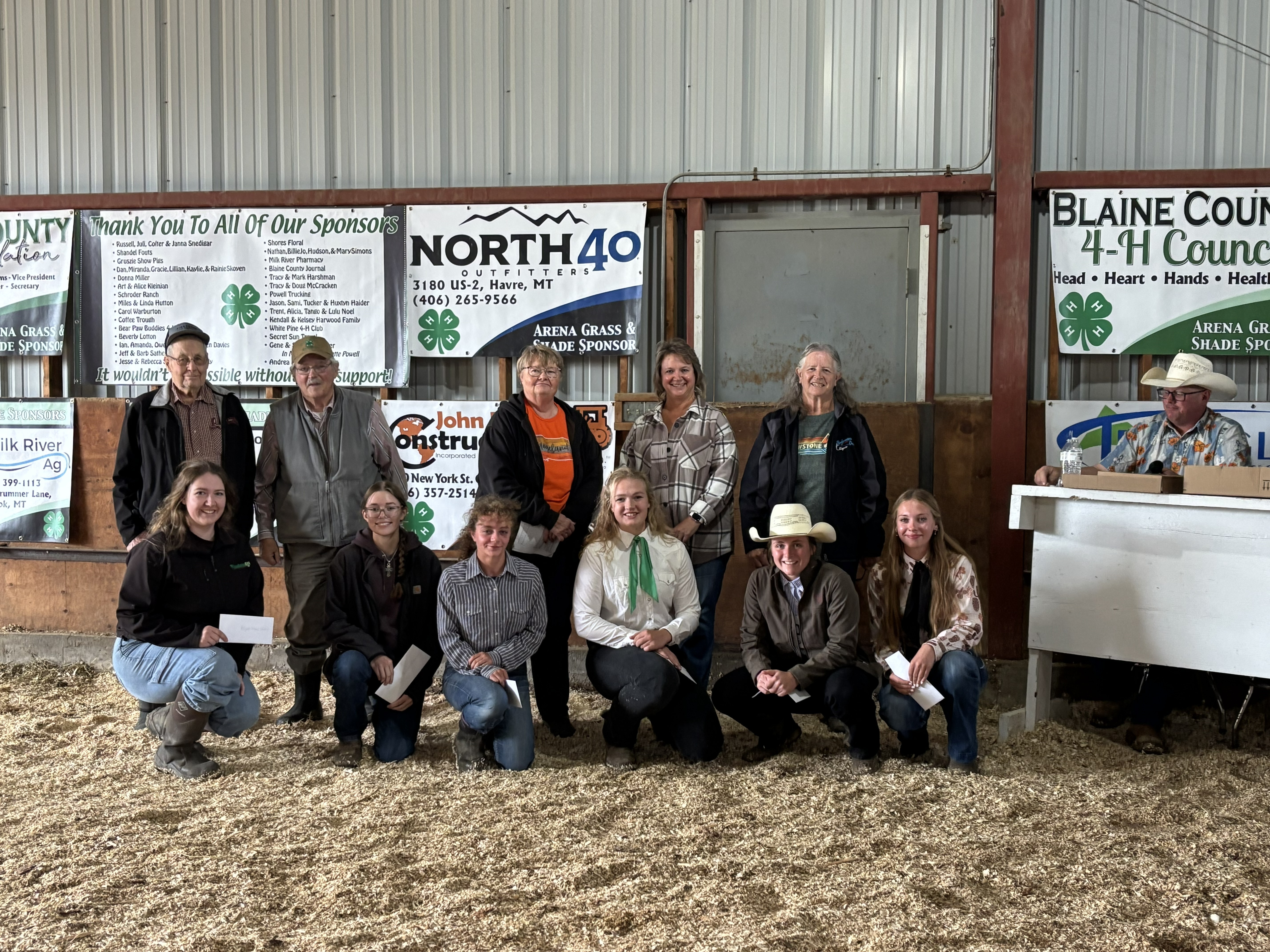
Caption: Blaine County 4-H Foundation members with scholarship recipients.
Credit: Juli Snedigar
Montana State University Extension is an ADA/EO/AA Veteran’s Preference Employer and provider of educational outreach.