

Toole County
2025 MSU Extension Highlights
2025 MSU Extension Highlights

Toole County is made up of 1,915 square miles and has a population rate of 2.8 persons
per square mile. The incorporated city of Shelby, population 3,376, serves as the
county seat. Other Toole County cities and towns include Ethridge, Galata, Kevin,
Oilmont, Sunburst, and Sweetgrass. Situated in northern Montana, Canada provides the
northern boundary, with the Marias River flowing along a major portion of the southern
boundary.
Mining, agriculture, utilities, and transportation and warehousing are competitively
positioned for growth and new business opportunities. These capitalize on the county's
geographic location (major rail service, east/west & north/south highways, on the
Canadian border, access to raw materials).
Toole County MSU Extension's 4-H program is unique in Montana because of the Four-County Marias Fair, held at the Marias Fairgrounds outside of Shelby. Our 120 4-H members join together with Pondera, Glacier, and Liberty County to exhibit projects and sell their livestock at the Marias Fair.
Contact
226 1st St. S. #106
Shelby, MT 59474
406-424-8350
https://www.montana.edu/extension/toole
Agriculture & Natural Resources
Homesteader Series – Beef Tallow Workshop
Toole County MSU Extension hosted the seventh installment of its Homesteader Series Workshop in partnership with the Toole County Conservation District and Toole County NRCS. This hands-on session focused on teaching participants the traditional and sustainable art of rendering beef tallow for soap making.
Expert soap maker Olivia Wood led attendees through the step-by-step process of transforming beef tallow into soap, a time-honored skill that remains relevant today for those interested in natural, skin-friendly products. Participants learned about the unique qualities of beef tallow, which produces a firm, long-lasting bar of soap with a rich, gentle lather that is mild on the skin.
In addition to the soap-making demonstration, Toole County 4-H member Hadley Ergenbright demonstrated how to make nourishing lotion bars using shea butter, beeswax, and coconut butter. Her presentation highlighted how simple, natural ingredients can create high-quality skincare products at home.
Beef tallow was historically an essential resource for homesteaders because it was abundant, cost-effective, and readily available from livestock. The workshop connected participants to this heritage while promoting sustainability, as tallow can often be sourced locally from butchers who may otherwise discard it as a byproduct of meat processing.
This event successfully blended tradition with modern sustainability practices, engaging community members of all ages in a meaningful, hands-on learning experience. Participants left with new skills and products to take home and a deeper appreciation for resourcefulness, self-sufficiency, and the value of locally available materials.
The Homesteader Series continues to strengthen community connections by offering practical education rooted in local heritage and sustainable living. Through programs like the Beef Tallow Workshop, Toole County MSU Extension empowers residents to learn, create, and preserve traditional skills that support both individual well-being and community resilience.
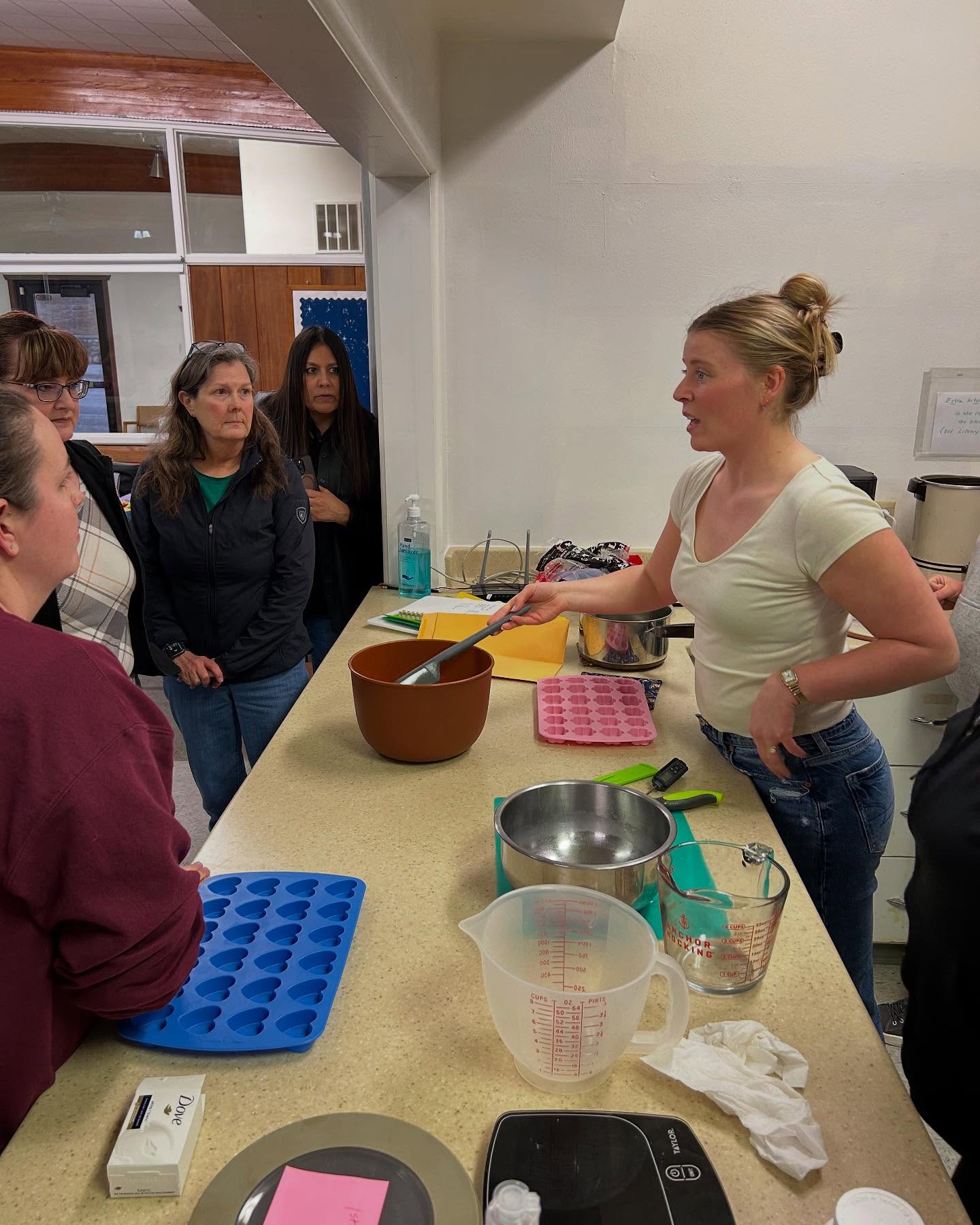
Caption: Expert soap maker Olivia Wood led the Beef Tallow Workshop.
Credit: Kim Woodring
Agriculture & Natural Resources
Homesteader Series - Sourdough Bread Workshop
Toole County MSU Extension hosted the eighth installment of its Homesteader Series Workshop in partnership with the Toole County Conservation District and Toole County NRCS. This hands-on workshop focused on the time-honored art of making sourdough bread from scratch.
With strong community interest and participation, this session guided attendees through the process of creating and maintaining a sourdough starter—a simple mixture of flour and water that captures wild yeast and beneficial bacteria from the environment. These microorganisms work together to ferment the dough, producing natural leavening and a distinctive tangy taste that define sourdough bread.
Sourdough is one of the oldest known forms of bread, dating back over 5,000 years. The earliest evidence of sourdough baking was discovered in ancient Egypt around 3000 BC. The practice spread through Greece and the Roman Empire, where bakers refined and improved breadmaking methods. Sourdough remained the primary method of leavening bread until the mid-1800s when Louis Pasteur’s discovery of commercial yeast provided a faster, more predictable alternative. Despite this innovation, sourdough persisted as a favorite among pioneers and miners during the Gold Rush era, who carried their starters with them across the frontier. The tradition lives on today in places like San Francisco, where sourdough has become a hallmark of local culture and cuisine.
During the workshop, participants learned every step of the sourdough-making process—from feeding and caring for a starter to mixing, shaping, and baking a loaf. In addition to practical baking skills, the session emphasized the science behind fermentation and the connection between traditional food preparation and modern sustainability practices.
This event offered a fun and educational opportunity for community members to learn a traditional, sustainable skill that promotes self-sufficiency and a greater appreciation for wholesome, homemade food. The Homesteader Series continues to strengthen community connections by teaching valuable life skills rooted in heritage, sustainability, and hands-on learning.
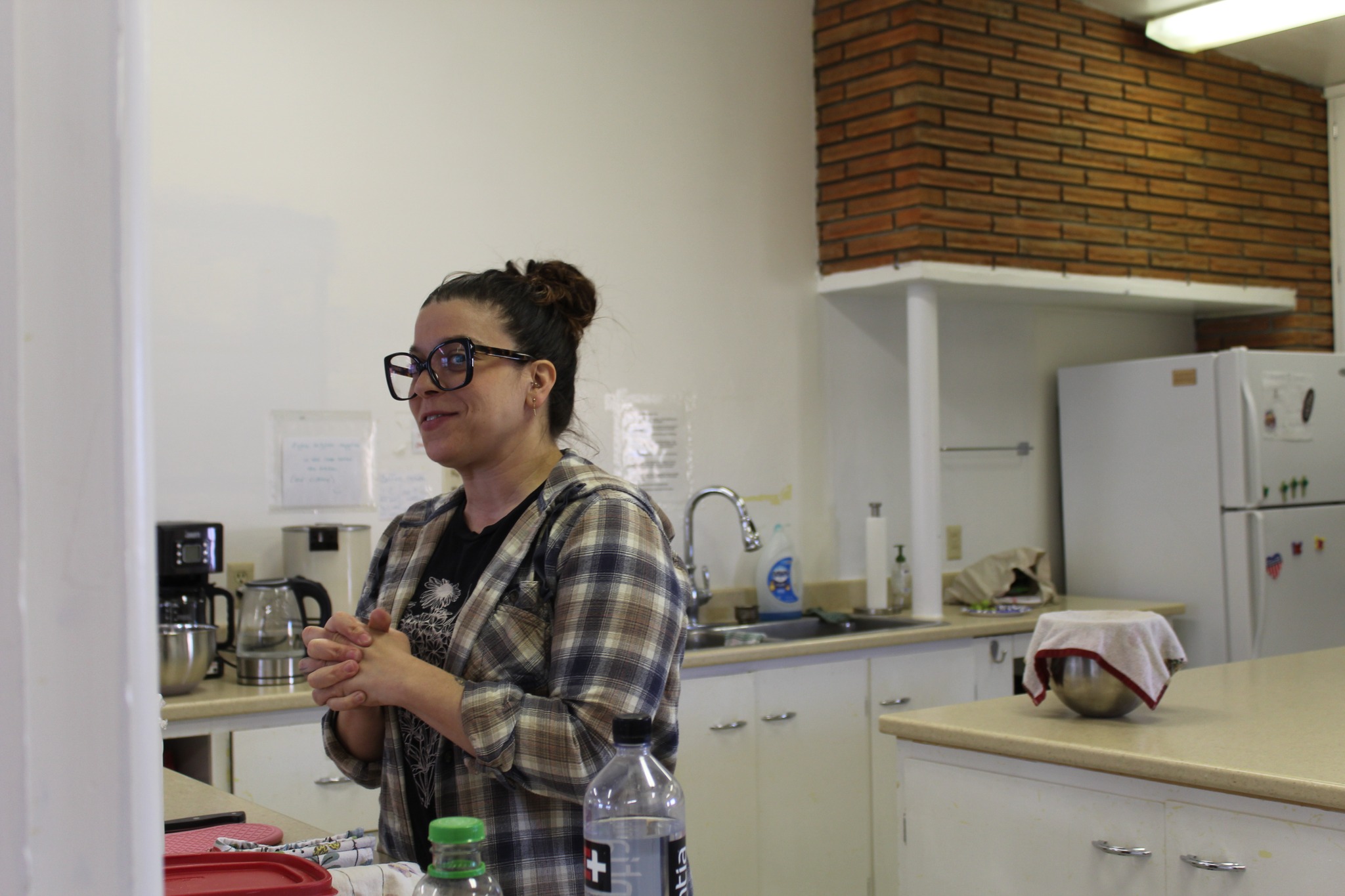
Caption: Sourdough Expert, Rachel Kovatch, teaches how to make sourdough.
Credit: Kim Woodring
Agriculture & Natural Resources
Farm Bureau ACE Program
Toole County MSU Extension Agent Kim Woodring participated in the Montana Farm Bureau ACE Program, an initiative designed to develop confident agricultural leaders who can Advocate, Communicate, and Educate within their local communities and Farm Bureau organizations. The program provides leadership development, professional growth, and advocacy training for participants from across the state.
As a selected 2025 ACE Class Member and delegate representing the Front Range Farm Bureau, the goal of participation was to strengthen professional skills, expand agricultural networks, and deepen knowledge in key industry areas such as grain and cattle marketing. Additionally, the program offered insight into legislative processes, lobbying, and effective communication with policymakers, skills essential for representing the interests of Montana’s agricultural community.
ACE Program participants toured the Montana State Capitol in Helena, met with local legislators, and learned how to effectively testify for bills that impact agriculture. A series of workshops and guest presentations focused on the importance of storytelling—teaching participants how to share agricultural experiences and communicate the value of farming and ranching to the broader public.
The program concluded with community-based leadership projects to promote agriculture and strengthen local Farm Bureau outreach, which gave participants the opportunity to apply new skills in advocacy and leadership while making a tangible difference in home communities.
"Participation in the ACE Program has been a rewarding professional experience, enhancing both leadership and communication abilities. It provided an opportunity to learn from peers across the state, share ideas, and bring back new strategies to support the local agricultural community," said Woodring.
By investing in leadership development opportunities such as the ACE Program, Toole County MSU Extension continues to support agricultural education, advocacy, and community engagement, ensuring that Montana’s next generation of leaders is well-equipped to represent and advance the future of agriculture.
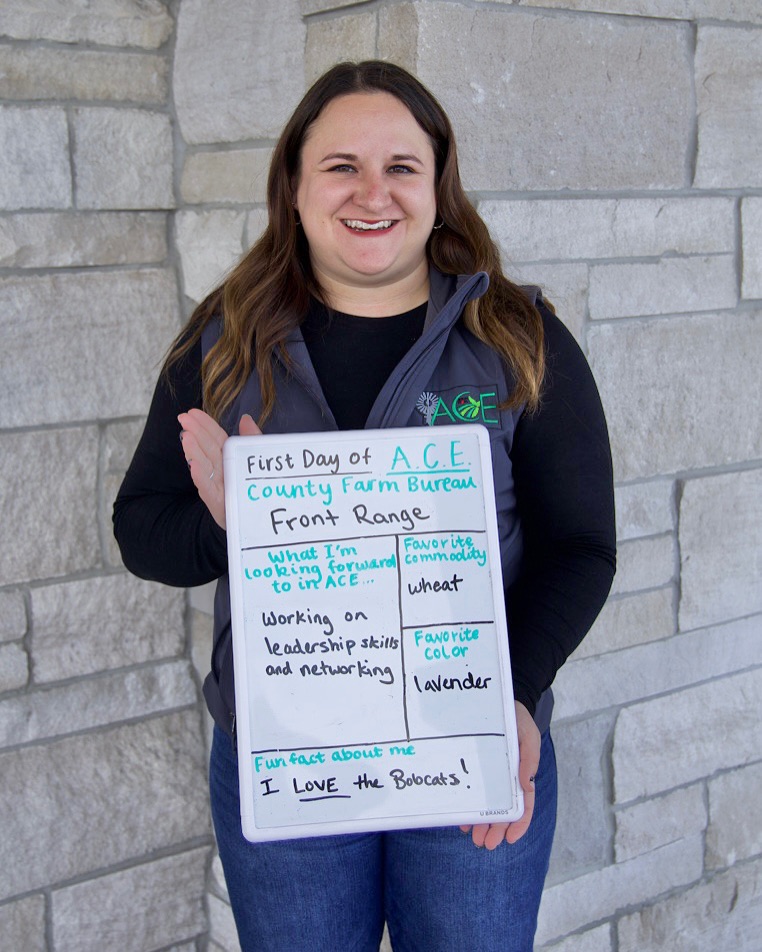
Caption: Kim Woodring - Advocating, Communicating, and Educating for Agriculture.
Credit: Haley Droogsma
4-H & Youth Development
Beyond Ready
Toole County MSU Extension celebrated National 4-H Week with this year’s theme, “Beyond Ready,” which highlights how 4-H equips youth with essential life skills to prepare them for success beyond high school and through adulthood. Through hands-on learning, leadership development, and community involvement, 4-H members gain the confidence and capabilities to navigate the opportunities and challenges that lie ahead.
4-H has had a lasting impact on the lives of youth in Toole County, including those who have pursued careers in agriculture, education, and leadership. The program fosters adaptability, teamwork, and a sense of purpose–skills that serve participants beyond their years in 4-H. For many, the friendships formed and the experiences gained through 4-H continue to shape their personal and professional paths.
Participation in 4-H also helps youth develop strong communication skills. From giving presentations and interviews to maintaining detailed project records, members learn how to express themselves clearly and confidently. These experiences translate into valuable career readiness skills, including public speaking, organization, and goal setting.
Former 4-H members often credit the program with helping them find their voice and direction. Toole County alumna Delaney Clark shared, “4-H has continued to impact my life after high school by giving me confidence in public speaking, which I now use in school, work, and everyday conversations. The program also taught me strong time-management skills and inspired me to help others through volunteering and mentoring.”
The 2025 4-H year (October 1, 2024 – September 30, 2025) includes 119 enrolled youth in Toole County, supported by more than 30 dedicated volunteers. This year also marked another record-breaking Marias Fair livestock sale, demonstrating the ongoing enthusiasm and dedication of our members and community.
The success of the Toole County 4-H program is made possible through the commitment of our volunteers, families, and community supporters. Their continued investment of time, mentorship, and resources ensures that local youth are truly “Beyond Ready” for the future, prepared to lead, serve, and make a lasting impact.

Caption: 4-H members enjoying 4-H Camp.
Credit: Kim Woodring
Montana State University Extension is an ADA/EO/AA Veteran’s Preference Employer and provider of educational outreach.