

Understanding Overdose
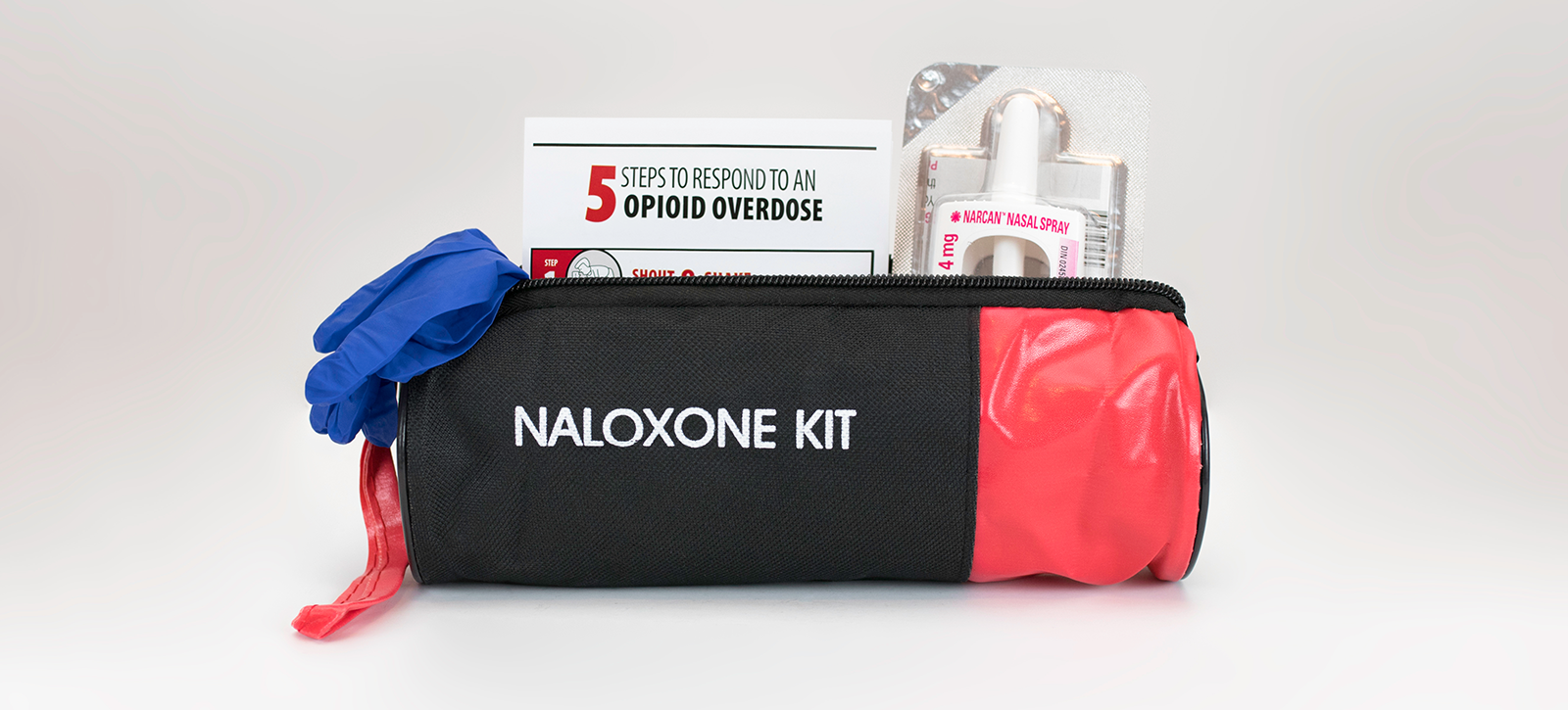
An opioid overdose is a life‑threatening emergency. It can happen to anyone who uses opioids.
Learning the warning signs, what to do, and how to prevent an overdose can help save lives.
An opioid overdose happens when opioids slow down or stop a person’s breathing. This lowers the amount of oxygen in the body and brain.
Overdose can happen with:
- Prescription pain medicines
- Illegal opioids, such as heroin or fentanyl
- Medicines used to treat opioid use disorder, such as methadone and buprenorphine
Call 911 right away if a person has any of these signs:
- Very pale or sweaty skin
- Body is limp
- Blue or purple lips or fingernails
- Throwing up or making choking or gurgling sounds
- Cannot wake up or talk
- Slow, weak, or stopped breathing or heartbeat
A person having an overdose cannot help themselves. Quick action from others can save their life. Follow these steps if someone may be having an opioid overdose:
- Call 911 right away
- Give naloxone or nalmefene if you have it
- Start CPR if the person is not breathing or is breathing very weakly (if you are trained)
- Stay with the person until help arrives
Help Save Lives From Overdose Act (2021)
This law helps more people get medicines that can reverse an overdose. It also gives stronger legal protection for people who call for help during an overdose (Good Samaritan protections). In addition, it supports community programs that work to prevent overdoses across Montana.
What is Naloxone?
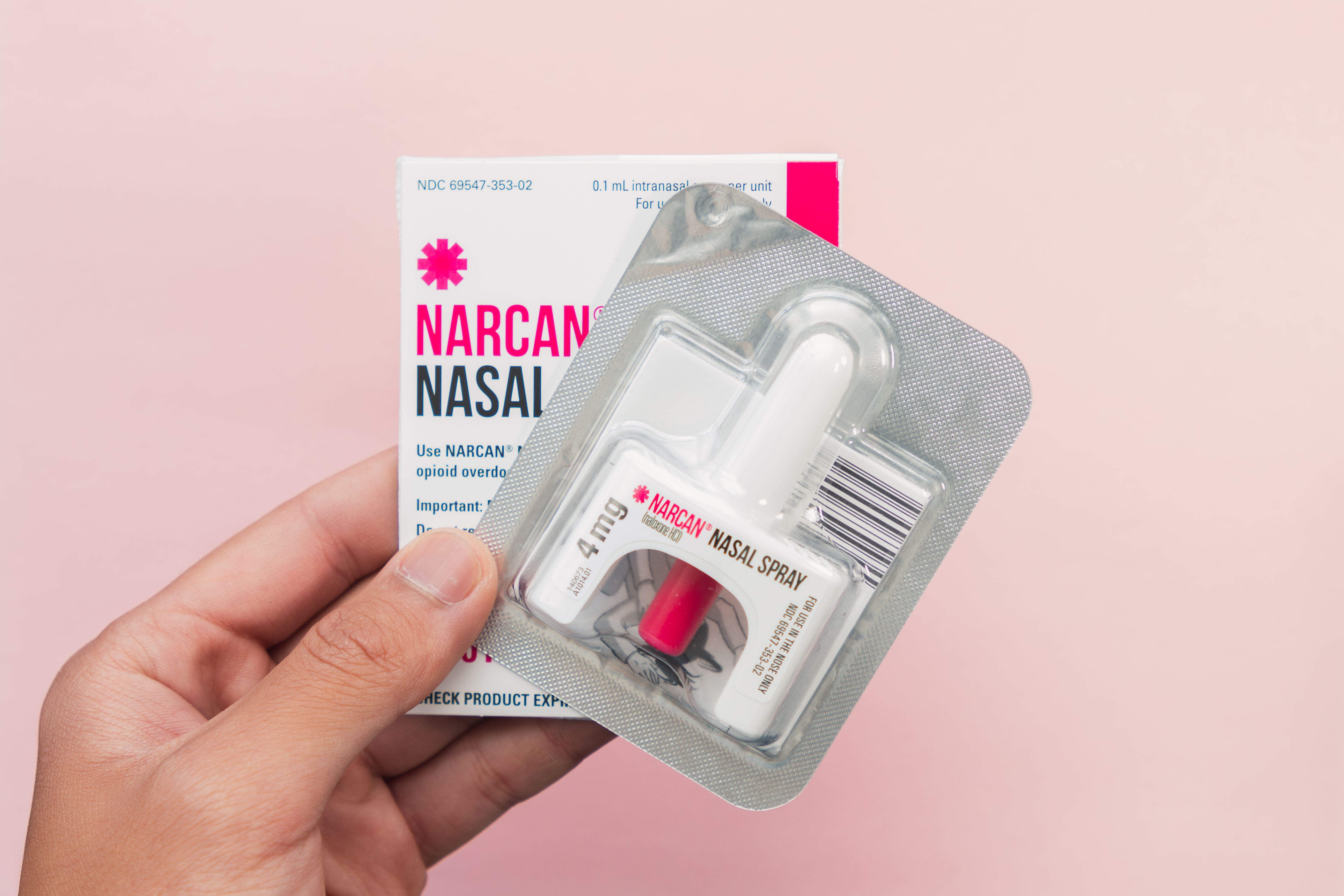
Naloxone is a medicine that can reverse an opioid overdose. It works for both prescription
opioids and illegal drugs. It is safe, easy to use, and can save lives.
Naloxone is approved by the FDA and can be bought over the counter. You can get it from pharmacies, healthcare providers, community programs, public health groups, or local health departments.
Types of FDA-Approved Naloxone in Montana:
- Injectable
Given with a needle
Requires special training - Auto-Injectable
A prefilled device that is injected into the outer thigh
Made for families and emergency responders
Gives step-by-step voice instructions - Nasal Spray
A prefilled spray used in one nostril while the person is lying on their back
Easy to use
No training needed
To learn more about opioid overdose reversal medicines, visit:
https://www.samhsa.gov/substance-use/treatment/overdose-prevention/opioid-overdose-reversal
What Increases the Risk of an Overdose?
Overdose risk depends on many things—not just what a person uses, but how, when, and
who they are with.
- Mixing Substances (Using More Than One Drug)
Using more than one substance at the same time raises the risk of overdose. This includes:
- Opioids with alcohol, benzodiazepines (like Xanax® or Valium®), or sleep medicines
- Stimulants with opioids (sometimes called “speedballing”)
- Mixing prescription drugs with illegal substances
These combinations can slow or stop breathing or put too much stress on the heart.
- Using Alone
Using substances by yourself is very risky. There may be no one there to notice an overdose or call for help. This can lead to death, even with small amounts. - Lower Tolerance
Tolerance can drop quickly after:
- Not using for a while
- Detox or treatment
- Being in jail or the hospital
If someone uses the same amount they used before, their body may not handle it, which can cause an overdose.
- Health Conditions
Some health problems can raise overdose risk, such as:
- Lung or breathing problems (like asthma or sleep apnea)
- Heart disease
- Liver or kidney disease
- Chronic pain or mental health conditions
These can change how the body handles drugs.
- Being Sick, Injured, or Very Tired
When a person is sick, dehydrated, hurt, or very tired, their body may not handle substances as well. This can increase overdose risk. - Age
- Older adults may process drugs more slowly and often take more than one medicine
- Youth and young adults may take more risks or not realize how dangerous substances can be
- Counterfeit (Fake) Pills
What You Should Know About Fake Pills
Some pills are made to look like real prescription medicines but may contain fentanyl
or other unknown drugs.
Fake pills can look like:
- Oxycodone (Oxycontin®, Percocet®)
- Hydrocodone (Vicodin®)
- Alprazolam (Xanax®)
- Stimulants like amphetamines (Adderall®)
These fake pills can be very dangerous because you may not know what is in them.
About Adderall®
Adderall is a prescription stimulant used to treat Attention-Deficit/Hyperactivity
Disorder (ADHD). Some people misuse it to help them study, stay awake, or reduce appetite.


Authentic Aderall (front and back)

Counterfeit Adderall (front and back)
About Oxycodone (OxyContin®)
Oxycodone is a lab-made (synthetic) opioid that doctors prescribe to treat and manage
pain. Opioids can be highly addictive. This means they can quickly lead to a substance
use disorder called Opioid Use Disorder (OUD).


Authentic Oxycodone (front and back)
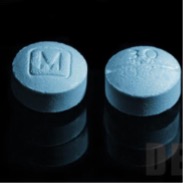
Counterfeit Oxycodone (front and back)
Visit dea.gov/onepill website here for more information
Unclear or Changing Strength (Potency)
Even when drugs are not fake, their strength can still change. This can make them
more dangerous.
- Illegal drugs may be stronger than expected
- Different batches may affect the body in different ways
- Unknown ingredients can make the effects harder to predict
Because of this, it can be hard to know how much is too much, which increases the risk of overdose.
For more information about fake pills, visit SAMHSA.gov and scroll to the section called Fake Pills.
How to Lower the Risk of Overdose
An overdose can happen even when someone is taking medicine for treatment. These steps
can help lower the risk:
- Take your medicine exactly as your doctor says
- Do not take more than you are told
- Do not take it more often than you should
- Do not mix opioids with alcohol, sleep medicines, or illegal drugs
- Never take someone else’s medicine
- Keep medicine in a safe place, away from kids and pets
- Safely throw away any medicine you do not need
If you have questions about your medicine or how to take it, talk to your doctor or pharmacist.
Additional Resources